

How to Grow a Garden That Is Both Beautiful and Productive
If you look at history, there is a pattern that repeats itself. When times become uncertain, people turn to their gardens.
This is not a trend or a coincidence. It is a practical response that shows up again and again when systems feel expensive, fragile, or out of reach.
During World War I and World War II, people planted victory gardens. During the Great Depression, families relied on gardens to feed themselves. During the pandemic, seed companies sold out almost overnight as people rushed to grow their own food.
When things feel unstable, people grow food.
And if we are paying attention to what is happening right now, it is not hard to see that we are moving into another one of those moments.
This Is Not Just History — It Is Personal
Victory gardens are not just something I read about. They are part of my family history.
My great-grandfather, Frederick Randall, moved from England to Saskatoon in 1905. He learned how to grow food in a prairie climate where the growing season was short and the winters were long.
During the Great Depression, when food was scarce and money was limited, he fed his family from the land around their home. That was not unusual at the time. It was simply what people did.
He did not grow food because it was trendy or interesting. He grew food because it was practical and necessary.
That idea has stayed with me.
Growing food is not just a hobby. It is a skill that has real value.
Why Growing Food Matters Right Now
Today, most of us rely entirely on a global food system. It is efficient and convenient, but it is also highly dependent on a number of inputs.
Modern food production relies on:
- Fuel for transportation and machinery
- Fertilizer, much of which is made from natural gas
- Long supply chains and logistics networks
- Refrigeration, packaging, and storage systems
Food often travels thousands of kilometers before it reaches your plate. That distance adds cost, complexity, and vulnerability.
When fuel prices rise, food prices rise. When supply chains are disrupted, availability shifts. When fertilizer costs increase, the entire system feels it.
A garden works differently.
A garden runs on sunlight, water, soil, and knowledge. It is a local, flexible system that you can control.
That does not mean gardens replace farms. It means gardens make us more resilient.
Rethinking What a Garden Can Be
For a long time, we have treated gardens as either decorative or productive. You either had a flower garden or a vegetable garden.
Historically, that separation did not really exist.
Cottage gardens were full of flowers, herbs, and vegetables growing together. Homesteads relied on gardens that were both functional and beautiful. Many traditional growing systems were designed to produce food while supporting the surrounding ecosystem.
The idea that a garden should be one or the other is relatively new.
And it is something we can move past.
What Is Foodscaping
Foodscaping is the integration of edible plants into ornamental landscapes. It is the idea that your garden can look beautiful and feed you at the same time.
Instead of separating food and design, you combine them.
In a foodscape, you might see:
- Blueberries used as shrubs
- Kale and chard planted as ornamental features
- Herbs lining pathways or filling in borders
- Beans and peas growing up trellises and arches
- Fruit trees acting as focal points in the landscape
Every plant serves two purposes. It contributes to the overall look of the garden and it provides something edible.
That is the shift.
A Simple Way to Start Thinking About Your Garden
Foodscaping is less about adding something new and more about seeing your space differently.
Instead of asking where you can fit a vegetable garden, you start asking where you can incorporate food into what already exists.
You might look at your space and notice:
- A sunny corner that could grow herbs
- A fence that could support climbing plants
- A border that could include leafy greens
- An ornamental plant that could be replaced with something edible
These are small changes, but they add up quickly.
The HARVEST Framework
To make foodscaping practical and repeatable, I use a framework called HARVEST. It is a simple way to think about building a garden layer by layer.
H for Herbs
Herbs are one of the easiest places to begin. They are low maintenance, useful in the kitchen, and often very attractive.
You can use herbs in a variety of ways:
- Plant thyme or oregano along pathways
- Add chives or parsley to borders
- Grow basil in containers near your kitchen
- Use rosemary or sage as small structural plants
Herbs are also one of the easiest ways to reduce grocery costs while improving flavor and freshness.
A for Annuals
Annual vegetables are the most productive plants in the garden. They grow quickly and produce a large amount of food in a single season.
Some easy options include:
- Lettuce, spinach, and arugula
- Tomatoes and peppers
- Beans and peas
- Zucchini and squash
Annuals are flexible. You can move them around each year and experiment with what works best in your space.
R for Rotation
Crop rotation is a simple but important practice. Different plants use different nutrients and attract different pests.
Rotating your crops helps:
- Maintain soil health
- Prevent nutrient depletion
- Reduce disease and pest pressure
Even a basic rotation plan will improve your results over time.
V for Vertical
Vertical growing is one of the easiest ways to increase productivity without needing more space.
You can grow upward using:
- Trellises
- Arches
- Obelisks
- Fences
Climbing plants like beans, peas, cucumbers, and even some squash varieties do very well when grown vertically.
E for Edible Perennials
Perennials are plants that come back year after year. They require less work over time and provide consistent harvests.
Examples include:
- Strawberries
- Asparagus
- Rhubarb
- Blueberries
- Raspberries
Perennials are a long-term investment. They make your garden more stable and more reliable.
S for Structure
Structure is what makes a garden feel intentional. It includes pathways, beds, borders, and other design elements.
Good structure:
- Makes your garden easier to maintain
- Improves how the space looks and feels
- Helps organize where plants go
You can think of structure as the framework that everything else fits into.
T for Trees
Trees are one of the most valuable elements you can add to a garden. They provide food, shade, habitat, and long-term stability.
Fruit trees in particular can produce significant amounts of food over many years.
If you have the space, consider planting:
- Apple or pear trees
- Plum or cherry trees
- Fig trees in warmer climates
Trees take time to establish, but they are one of the most rewarding additions you can make.
Plan Before You Plant
One of the biggest differences between a frustrating garden and a successful one is planning.
You do not need a complicated plan, but you do need a clear one.
Before you start planting, it helps to think about:
- What you want to grow
- How much space you have
- Your sunlight conditions
- How much time you realistically want to spend
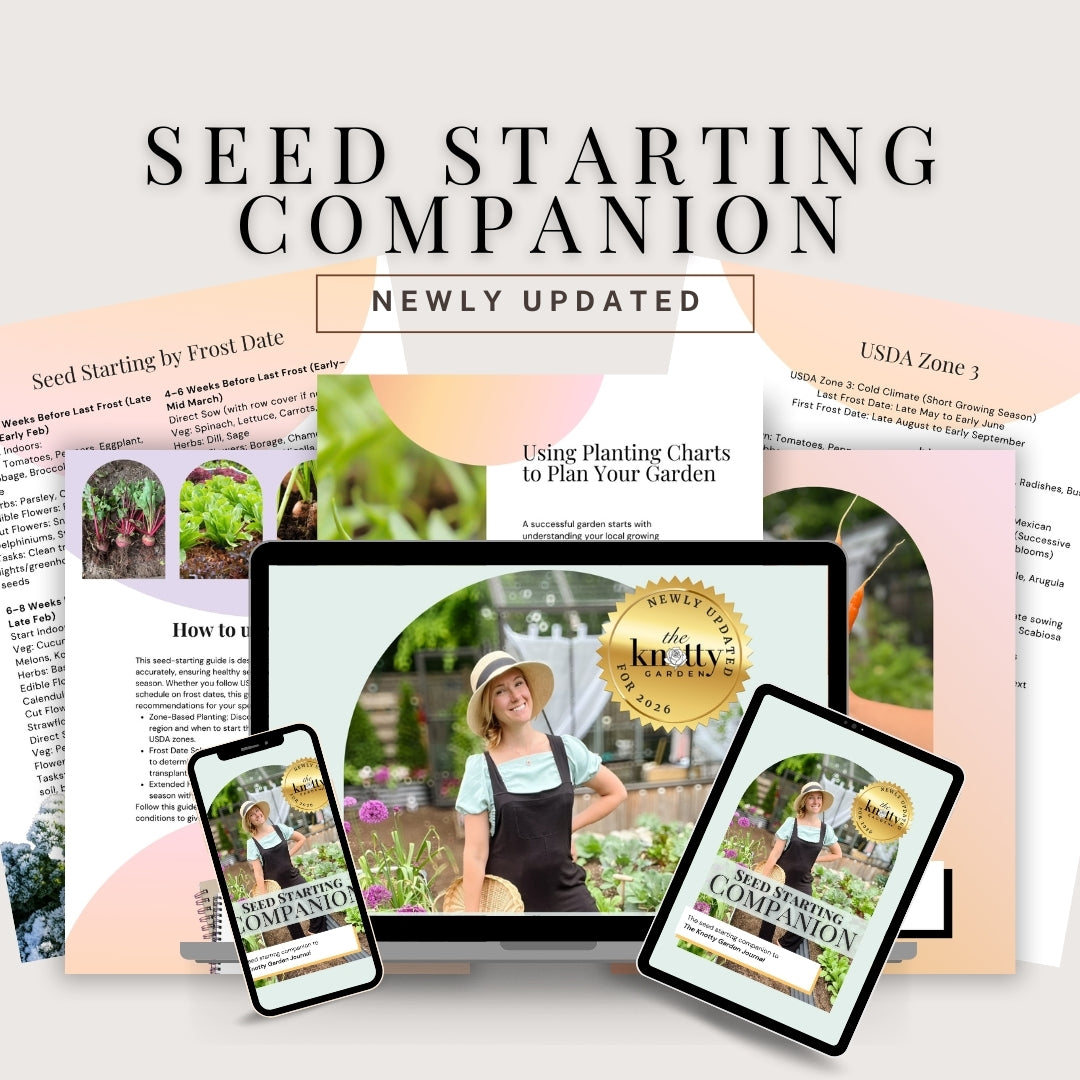
This is exactly why I created my Garden Planning Workbook and Journal.
It helps you:
- Map out your space
- Decide what to plant and where
- Track what works and what does not
- Build a garden that improves over time
You can find it here:
👉 [Insert your Garden Planning Workbook / Journal link]
Planning saves time, reduces overwhelm, and makes the entire process more enjoyable.
A Simple Starting Checklist
If you are not sure where to begin, start small.
Here are a few easy steps:
- Add 2 to 3 herbs to your space
- Grow one or two vegetables you already enjoy eating
- Install one vertical element like a trellis
- Plant one perennial crop
- Replace one ornamental plant with an edible one
That is more than enough to get started.
What You Will Notice Over Time
Once you start growing even a small amount of food, things begin to shift.
You start noticing the seasons more closely. You pay attention to what grows well and when. You begin to understand how food is produced.
Your garden becomes more than just a space. It becomes something you interact with and learn from.
Over time, your garden becomes more productive, more efficient, and more personal.
Final Thoughts
Foodscaping is not about doing everything at once. It is about making small, intentional changes over time.
You do not need to grow all of your food. You just need to grow some of it.
If you are ready to take the next step, start by putting your ideas on paper and creating a simple plan.
My Garden Planning Workbook and Journal is designed to help you do exactly that.
👉 [Insert your Garden Planning Workbook / Journal link]
Start small. Stay consistent. Build from there.
That is how a garden grows.